 Best Seller
from $185
Best Seller
from $185
Daily Göbeklitepe & Şanlıurfa Tour
Göbeklitepe, the Archaeology Museum & the Heart of Old Urfa
from$185/pp
View Details
Göbeklitepe near Şanlıurfa is an 11,600-year-old Neolithic sanctuary — the world's oldest known temple, predating Stonehenge by 6,000 years and the Egyptian pyramids by 7,000.
For 11,600 years it lay hidden beneath a hill in southeastern Turkey, its secrets buried under the dust of countless harvests. Then, in 1994, the German archaeologist Klaus Schmidt walked the slopes of Göbekli Tepe — "Potbelly Hill", known to local Kurds as Girê Mirazan, the "Hill of Wishes" — and realised he was standing on something that would rewrite the story of humankind.
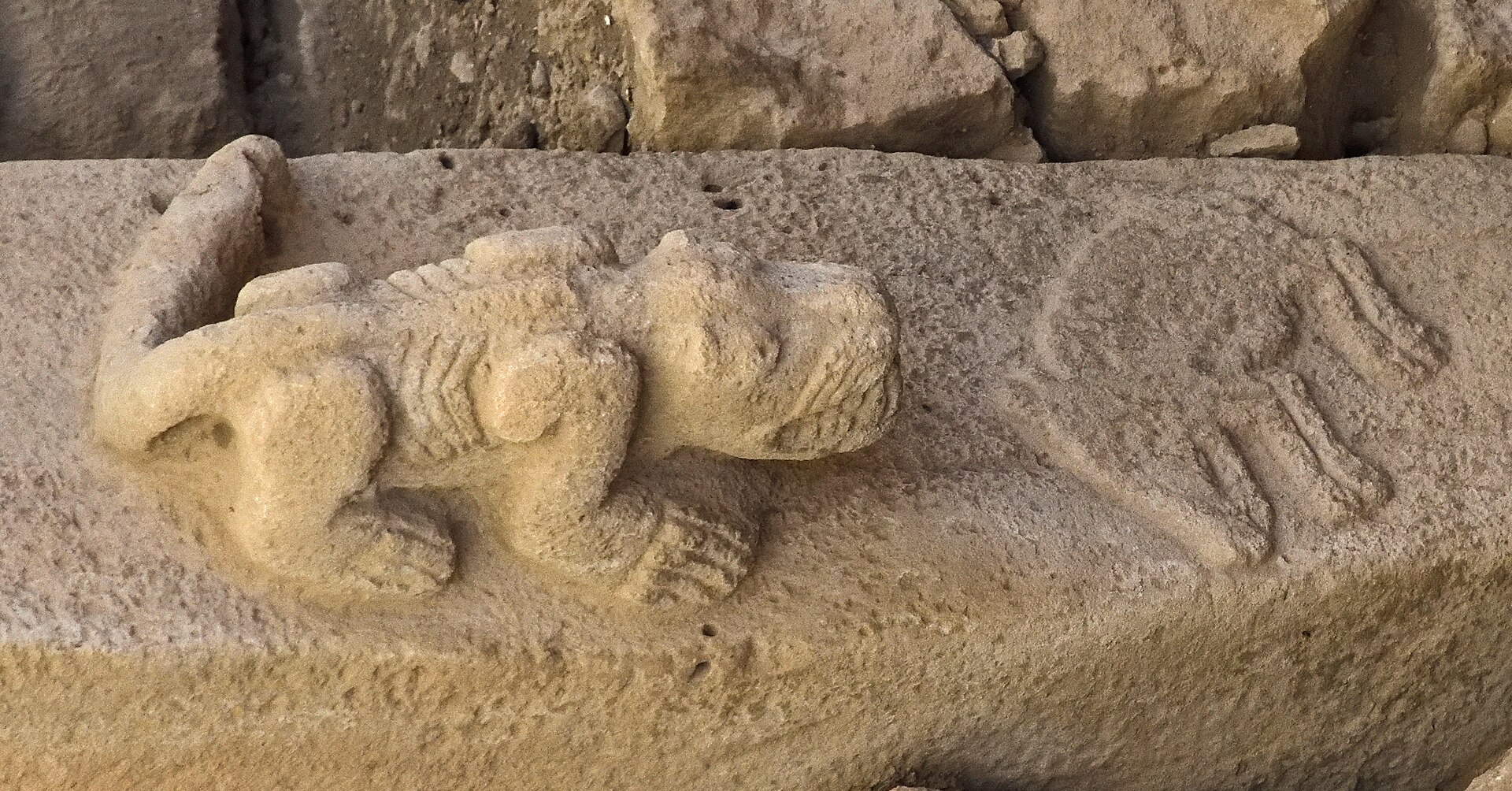
What his team unearthed over the next two decades turned out to be the world's oldest known monumental temple: a complex of circular enclosures, 10 to 30 metres across, ringed with towering T-shaped limestone pillars carved with reliefs of lions, bulls, foxes, vultures and serpents. Radiocarbon dating places the earliest structures between 9500 and 9000 BCE — roughly six thousand years before Stonehenge and seven thousand before the Great Pyramid of Giza. The pillars themselves are the oldest megaliths on Earth, quarried from bedrock barely 100 metres away and dragged uphill with nothing but ropes, levers and raw human muscle.
The discovery stunned archaeologists. Göbekli Tepe was built by hunter-gatherers, at a time when humankind had not yet invented farming, pottery or permanent villages. Klaus Schmidt argued that the sheer effort of feeding the hundreds of people summoned here for these feats of collective construction may itself have driven the birth of agriculture. In other words: people did not build temples after they settled down — they settled down in order to build temples.
Only around 10% of the site has been excavated so far, and geophysical surveys hint at sixteen more enclosures and as many as 200 pillars still slumbering underground. The most celebrated find is Pillar 43, the so-called "Vulture Stone": a richly carved stela in Enclosure D whose dense imagery — a headless body, soaring birds, scorpions — has fuelled theories ranging from a death cult to the world's oldest star map.
Today Göbekli Tepe is sheltered beneath a sweeping canopy and raised walkways that let visitors hover above the circles without disturbing them, and it joined the UNESCO World Heritage List in 2018. The finest portable finds — including haunting human statues and a life-size wild boar sculpture in stone — are displayed in the Şanlıurfa Archaeology Museum, which together with the site itself makes an unmissable day from the city. Pair it with the sacred fish pools of Balıklıgöl and the old bazaars of Urfa for the complete experience.
Best Seller
from $185
Göbeklitepe, the Archaeology Museum & the Heart of Old Urfa
 Best Seller
from $890
Best Seller
from $890
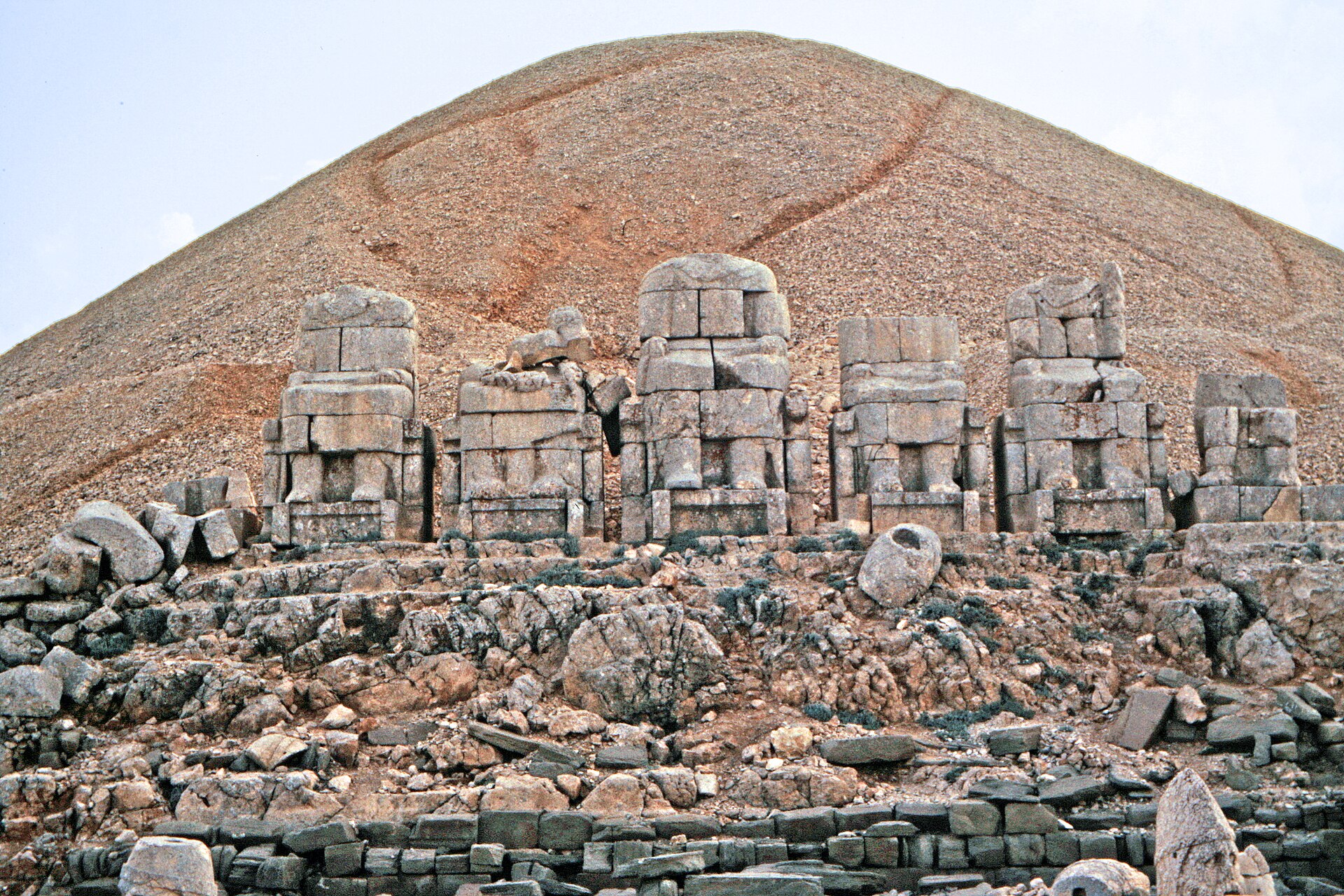
Flight to Adıyaman / Mount Nemrut at Sunset (L)
 Best Seller
from $1,890
Best Seller
from $1,890
Flight to Adıyaman / Mount Nemrut at Sunset (D)